Fundraisers and Wholesale
Wreath Fundraiser Timeline and Pricing
Set a wreath fundraiser calendar around cutting and shipping weeks, and price wreaths so the group keeps a real margin without losing buyers.
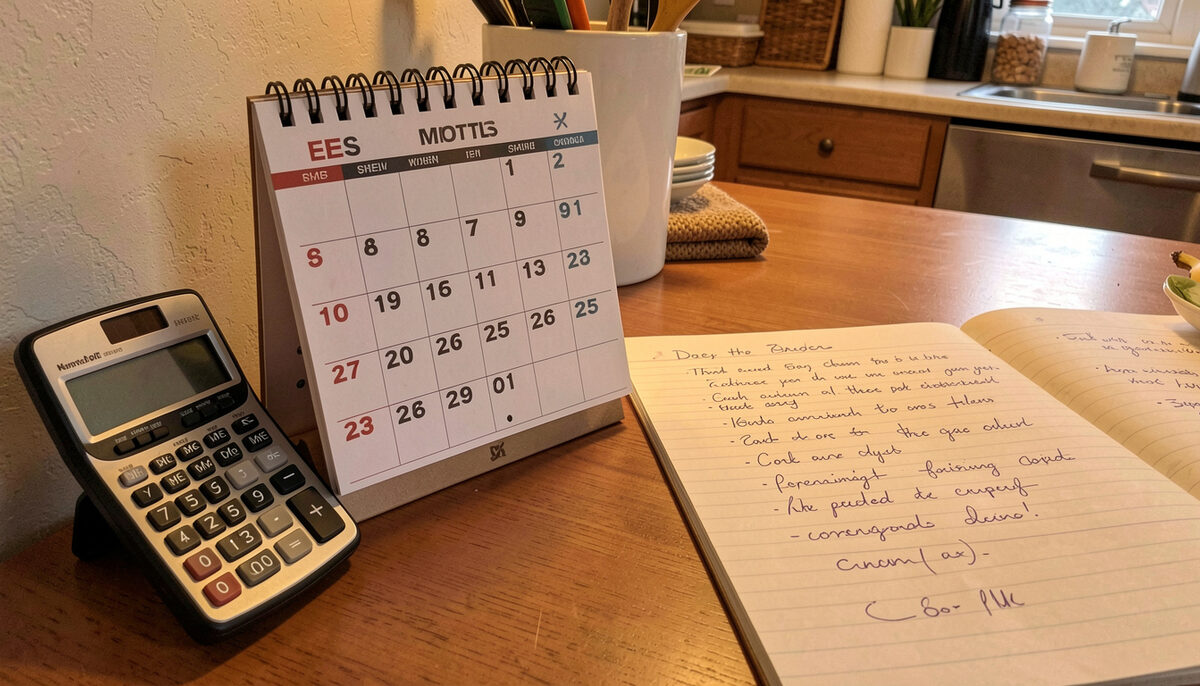
A wreath fundraiser has a hard calendar that cannot be argued with. The boughs are cut when the trees are dormant, the greenery ships in a narrow window after that, and the supporters want it on their doors before the holidays. Every planning decision follows from those three facts. This guide sets out the calendar and the pricing maths that a group should do before it commits.
Why the calendar is fixed
Fresh greenery is a harvest, not a stock item. Boughs are taken in late autumn once the trees have hardened for winter, and the product then has a limited shelf life. Nothing can be shipped before the cutting, and nothing should be held long after it, because freshness is the whole value of the product. That is why a programme publishes a submission deadline and a delivery date rather than offering delivery on demand.
A group therefore works backwards from the delivery week. If the supplier ships in the first week of December, the order must be submitted weeks earlier, which means the sales campaign has to run in November, which means the sellers must be recruited in October. A group that starts in December has already missed the season, and no amount of effort can recover it.
A working calendar
Working backwards from a delivery in early December, a campaign looks like this. In late September or early October, the group chooses a supplier and signs the agreement. In October, it recruits sellers and distributes the sales packets. Selling runs through October and November, with the order books closed in time for consolidation. In the last week before the deadline, the group adds up the orders, collects the money and submits. Then it waits for the delivery and runs the sort day.
The dates shift by a week or two depending on the supplier and the region, but the shape does not. The important discipline is to fix the internal deadline for closing the order books, and to hold it even if a seller asks for one more week. A late book is worse than a missing sale, because it puts the whole order at risk.
The pricing maths
The price a supporter pays is set by the programme, and so is the price the group pays the supplier. The difference is the margin. To know what a campaign will raise, a group multiplies the margin per piece by the number of pieces it expects to sell. A margin of a few dollars on each wreath, multiplied by a few hundred wreaths, produces a four figure total. A margin of a few dollars on a few dozen wreaths produces a few hundred.
That is the whole calculation, and it is worth doing before the campaign rather than after. A group that wants to raise a specific amount can work backwards to the number of pieces it must sell, and then to the number of sellers it needs. If the required volume is unrealistic, the group should choose a lower target or add swags and garland to the catalogue, which are easy add on sales for supporters already decorating a porch.
Choosing what to sell
A catalogue with too many items slows selling, because supporters have to choose rather than decide. Most successful programmes offer a small range: a wreath in one or two sizes, a swag, and a length of garland. That covers a front door, a post and a rail, which is enough for most supporters. The bough choice is worth explaining in the sales material, because a noble fir wreath and a mixed wreath sit at different prices and buyers ask. The comparison is in noble fir and mixed evergreen wreaths.
Adding a decorated option and a plain option can also help, since some buyers want a finished piece and others want to decorate it themselves. Plain wreaths are cheaper for the group and are popular with supporters who already have ribbon and cones.
Managing risk on the day
The two risks on a sort day are wrong counts and uncollected orders. Wrong counts come from sloppy order books, and they are avoided by checking the consolidation twice. Uncollected orders come from buyers who change their plans, and they are handled by a clear rule set in advance: hold the piece for a set number of days, then sell it to a waiting list or use it as a group decoration.
Payment risk is easier to manage than either. Collecting at the point of sale removes it almost entirely, and it is the practice most programmes recommend. A group that takes orders on trust and collects later is running a small credit operation, which is not what a fundraiser should be.
Planning the next season
The most useful thing a group can do is record what sold. The item counts, the number of sellers, the total raised and the problems on the sort day all belong in a short note kept for next year. A group that runs the same programme twice with that record in hand does better the second time, because it knows which items to push and how many sellers it really needs.
The operational detail of the campaign, from recruitment to the sort day, is in how wreath fundraisers work. The trade side, including wholesale ordering for shops, is in wreath fundraisers and wholesale.
One decision that saves the season
If a group takes one thing from this guide, it should be the internal deadline for closing the order books. Fix it early, write it on every order form, and hold it. Every other part of the calendar can flex by a few days without harm, but a late submission risks the entire order, and there is no way to recover a delivery that was never placed.